Every few years the obituaries appear. “Print is dying,” the tech press announces. “Nobody reads magazines anymore.” “Newspapers are finished.” And every few years the prediction fails to fully materialize, because whoever is writing it has misunderstood something fundamental about what print actually is and why humans keep returning to it.
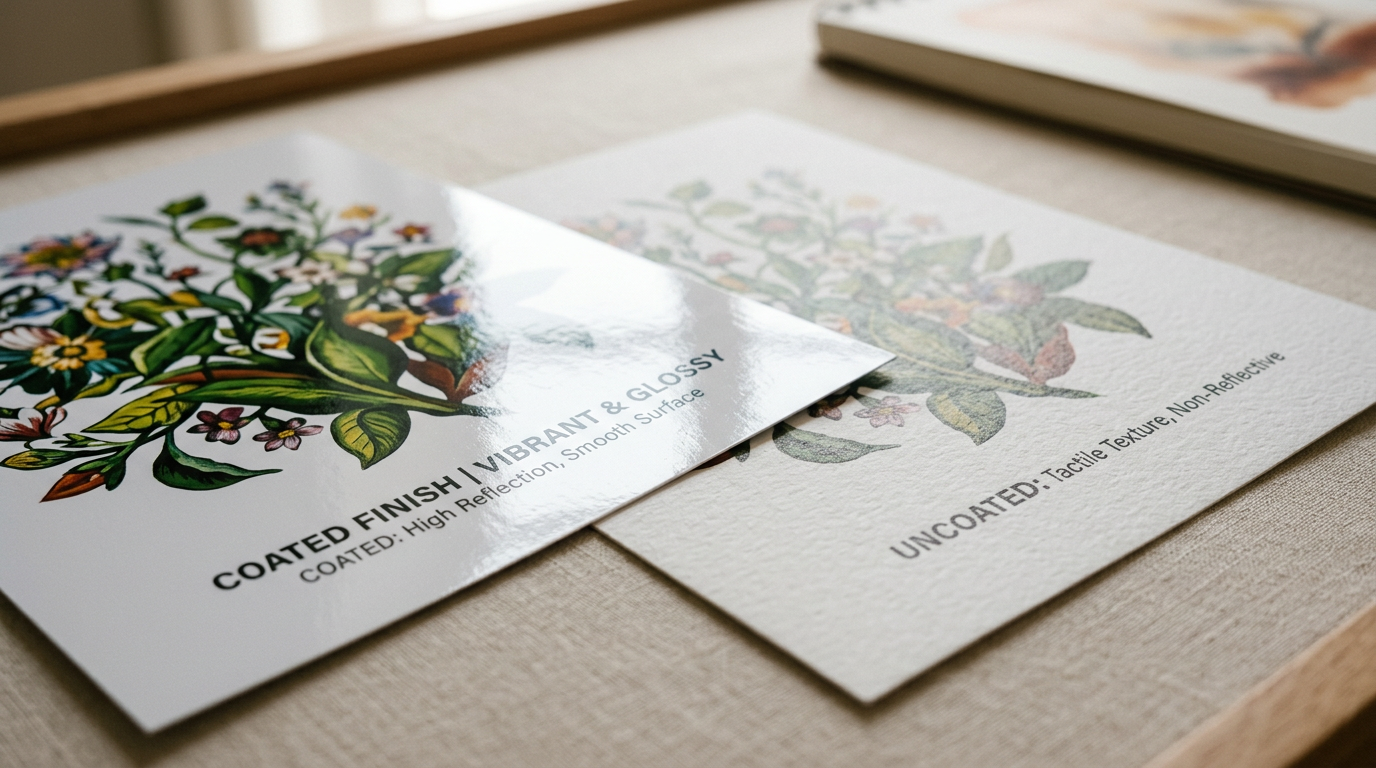
Print isn’t a delivery mechanism that’s been made obsolete by a better one. It’s a mode of experience — tactile, focused, permanent — that digital media simply cannot replicate. The science backs this up more strongly than most people realize.
What Reading on Paper Does to Your Brain
A growing body of neuroscientific research suggests that reading on paper engages the brain differently — and in some respects more deeply — than reading on screen. A landmark 2013 study published in Computers in Human Behavior found that readers who used printed materials demonstrated better comprehension and recall of narrative texts than those who read the same content digitally.
The researchers attributed this in part to what they called “haptic dissonance” in digital reading — the disconnect between the physical act of swiping or scrolling and the cognitive experience of moving through a text. When you read a physical book or magazine, your position in the text is represented spatially: you can feel how far through you are, locate a passage by roughly remembering where it appeared on the page, develop a mental map of the whole object. This spatial encoding appears to support memory formation in ways that scroll-based reading doesn’t.
Dr. Maryanne Wolf, a cognitive neuroscientist at UCLA and author of Reader, Come Home, has documented how the “deep reading brain” — capable of analogy, critical analysis, and empathic imagination — develops through sustained, focused reading. The distraction architecture of digital media, she argues, actively works against the formation of these capacities. Print, by contrast, is a closed environment: there are no notifications, no hyperlinks, no autoplay. Just text and a reader.
The Permanence Premium
Print has something digital media fundamentally lacks: physical permanence. A magazine from 1965 is still readable today. A webpage from 2005 may no longer exist, or may exist in a degraded, context-free form accessible only through an archive. The average lifespan of a webpage is estimated at around 100 days before it’s moved, altered, or deleted.
This matters more than it might seem. When information is printed, there is an implicit commitment to its existence. Printing costs money; distribution costs money; storage costs space. These friction costs function as a filter, however imperfect, on what gets committed to print. The result is that the printed record — from legal documents to newspapers to scientific journals — has historically carried a different epistemological weight than ephemeral digital content.
Print as Attention Architecture
The most underappreciated value of print in 2025 is its relationship to attention. We live in an environment of radical attention scarcity. Every app on your phone has been designed by teams of engineers and psychologists to capture and hold your focus, deploying variable reward schedules, social comparison triggers, and infinite scroll to make disengagement difficult. The cognitive cost of navigating this environment is substantial and largely invisible.
Print exists outside this architecture. A newspaper doesn’t know whether you read it. A book has no engagement metrics. A magazine can’t send you a push notification to come back. This passivity — which tech evangelists once cited as a limitation — is increasingly understood as a feature. Print is one of the few media environments where attention is fully in the hands of the reader.
The Numbers Behind the Narrative
The “print is dying” story is partly true and partly a dramatic oversimplification. Newspaper circulation has declined significantly, particularly for general-interest dailies that competed directly with free digital news. But the picture across print is far more nuanced.
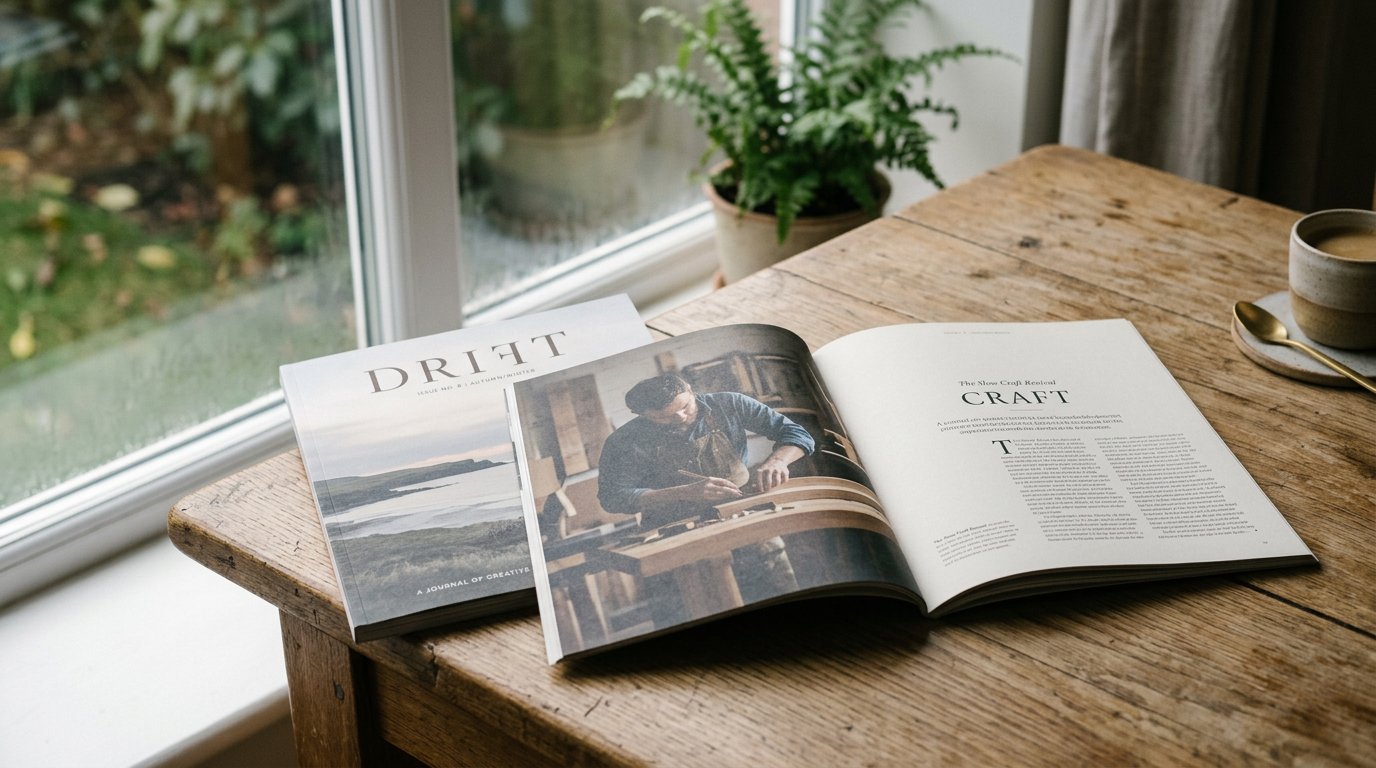
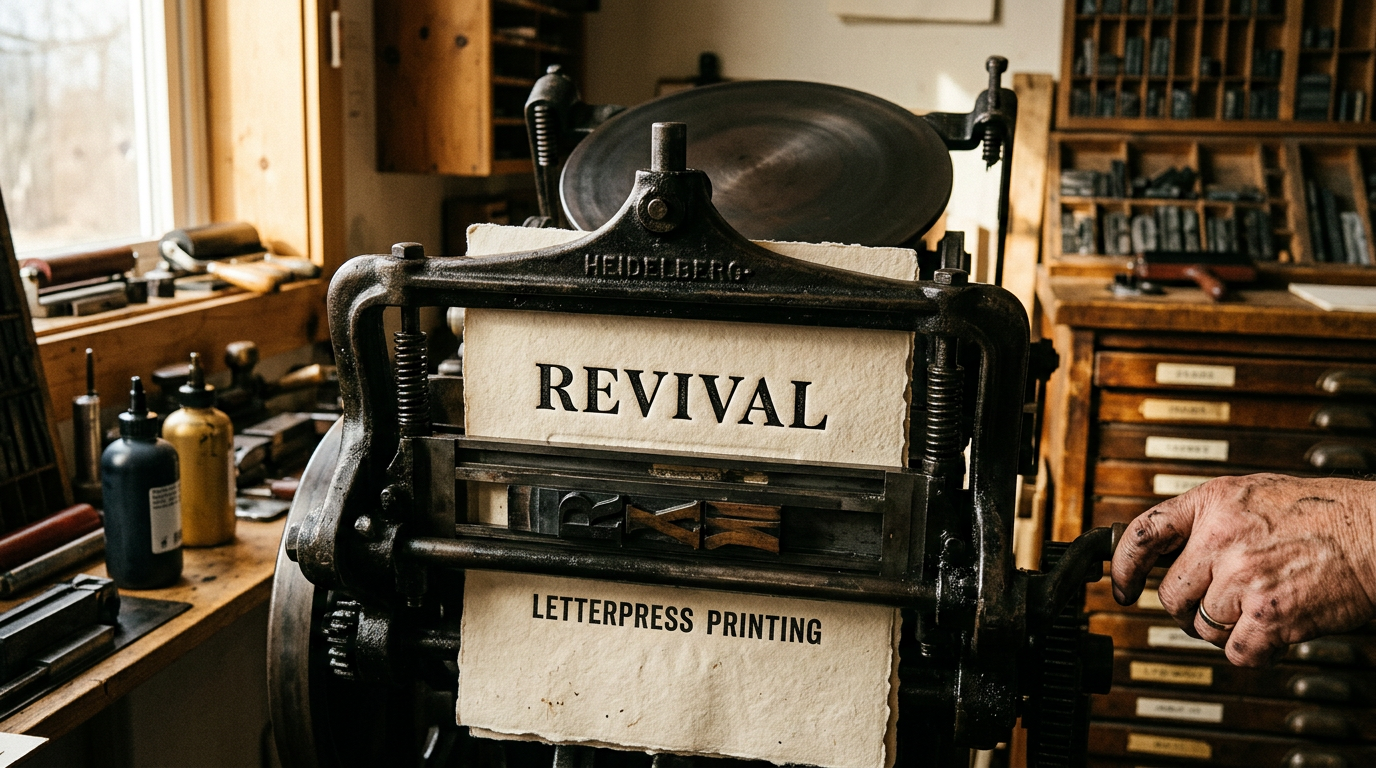
Independent magazine publishing has seen genuine growth in the past decade, with titles like Delayed Gratification, Kinfolk, Courier, and dozens of others building loyal, paying audiences who actively choose print for its qualities — not despite digital, but in response to it. Book sales have remained relatively stable. Specialty printing — from letterpress to risograph to zines — has experienced a sustained cultural renaissance.
Print didn’t die. It shed the parts that couldn’t survive (classifieds, commodity news, mass-market magazines with no real identity) and got more interesting in the process.
The Argument We’re Actually Making
When we say print ain’t dead, we’re not being nostalgic. We’re not arguing that offset printing presses should displace digital communication. We’re saying that print — as a mode of experience, as a cultural form, as a medium with specific properties that matter — has a place in human life that isn’t going away.
The question was never whether print would survive the internet. The question was what print, liberated from its role as a mass-distribution mechanism for commodity information, would become. The answer is still being written — and a lot of it is being written on paper.