Letterpress printing is a 570-year-old technology that by rights should have been retired alongside the telegraph and the daguerreotype. Instead, it’s in the middle of a sustained cultural revival, practiced by hundreds of independent studios across the US, Europe, and beyond, and commanding premium prices from clients who could print the same content for a fraction of the cost using modern offset or digital methods.
The question of why letterpress survived — and thrives — says something interesting about what we value in a world of frictionless digital reproduction.
What Letterpress Actually Is
The principle is elegantly simple. A raised surface — traditionally cast metal type or carved woodblock, today often a photopolymer plate made from a digital file — is inked and pressed against paper under significant pressure. The result is an impression: ink on the surface of the paper, with a slight deboss where the type or image bit into the sheet.
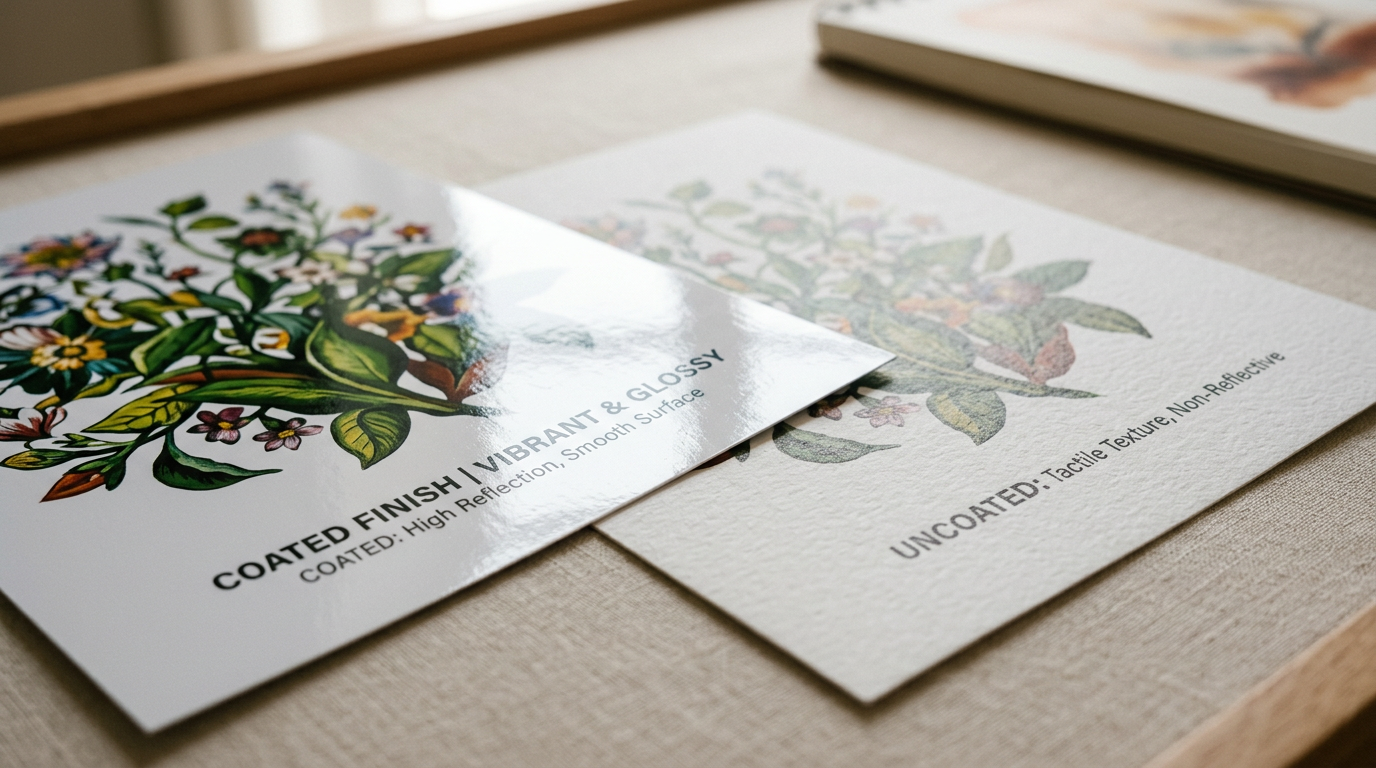
That deboss — the physical indentation left by the press — is the defining characteristic of letterpress printing, and the quality that modern printers and clients find most compelling. It’s a mark of process, a record of force applied to material. You can feel it with your finger. It cannot be faked by digital means without going back to a physical press.
The Near-Death and Rebirth
By the 1970s, letterpress was effectively dead as a commercial printing technology. Offset lithography was faster, cheaper, and capable of finer reproduction. The presses were sold, scrapped, or donated. The knowledge was aging out of the workforce.
The revival came from an unlikely direction: the arts and crafts movement, the DIY ethos of the 1990s zine scene, and the early 2000s reaction against the sterility of mass-produced digital design. Printers began rescuing Vandercook proof presses and vintage platen presses from scrap yards. Type shops that had been mothballed were rediscovered. A new generation learned to set type, mix ink, and work with the precise, physical demands of the press.
The wedding stationery market accelerated the revival significantly. Couples willing to pay for handcrafted goods discovered letterpress invitations — with their tactile texture and visible craft — and a commercial market emerged that provided economic sustainability for studios that might otherwise have been purely hobbyist operations.
The Photopolymer Revolution
What made modern letterpress viable at scale was the photopolymer plate. Rather than composing text from individual pieces of metal type — a skilled, time-consuming process — contemporary letterpress printers create their designs digitally and expose them onto a light-sensitive polymer sheet that hardens where light hits it. The result is a plate with the design in relief, ready to mount and print.
Purists debate whether this constitutes “real” letterpress. The debate is largely academic. Photopolymer plates made the process accessible to designers without a lifetime of typesetting experience, opened letterpress to complex imagery and custom typefaces, and brought production times down to something commercially viable. The impression in the paper — the thing that matters most — is identical.
The Economics of Slow Making
Letterpress is expensive. A set of wedding invitations that might cost $200 to print digitally could run $800–$1,500 from a letterpress studio. Business cards that are $30 offset-printed are $150–$300 letterpress. The market for this exists because an increasingly large segment of consumers — particularly in the creative industries — actively values the evidence of human craft in the objects they buy.
This is part of a broader cultural shift documented by economists and sociologists under various names — the “artisan economy,” the “slow movement,” the reaction against algorithmic sameness. Letterpress printing is a physical instantiation of values: care, intentionality, material honesty. The price reflects the time and skill involved, and many buyers find that transparency appealing rather than offputting.
Starting Your Own Practice
If you’re interested in exploring letterpress, the path has never been more accessible. A tabletop platen press — a Kelsey, a Pilot, a Craftsman — can be found through Briar Press classifieds or eBay for between $200 and $800 depending on condition. Photopolymer plates can be ordered from suppliers like Boxcar Press with a digital file and arrive ready to print. Ink, paper, and patience are the rest of the recipe.
The learning curve is real: registration, ink distribution, impression depth, and packing all require practice to master. But the community of letterpress printers is unusually generous with knowledge — forums, workshops, and local guilds offer access to expertise that would have been hard to find twenty years ago.
Letterpress survived because it offers something no digital process can: the physical evidence of making. In a world of infinite, frictionless reproduction, that evidence is increasingly rare — and increasingly valuable.