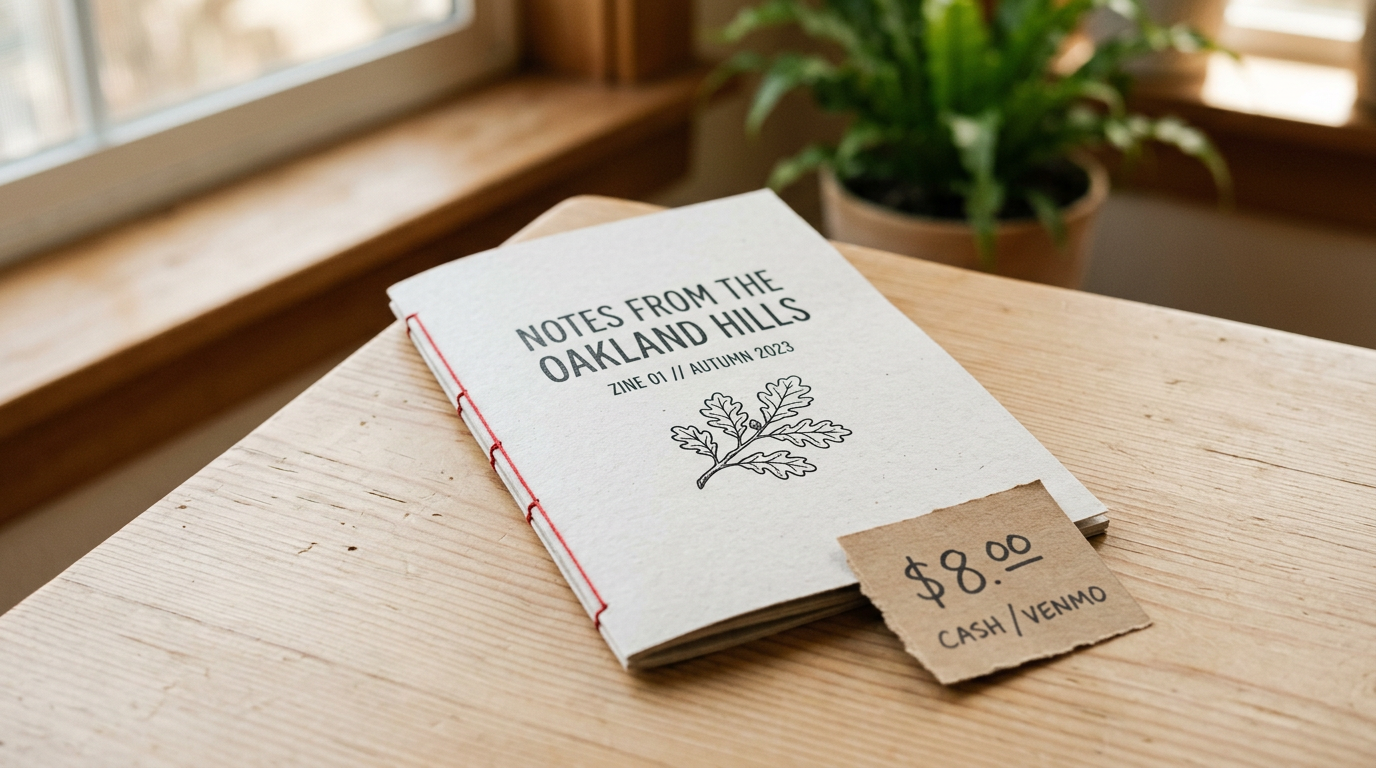
Independent zines and small press publications are hard to find through mainstream channels, but there are reliable sources that make them more accessible. This page covers online directories, community platforms, and curated review sites that index both formally catalogued titles and those that circulate outside institutional systems. The terms "small press," "indie press," "little magazines," and "independent publishers" are used interchangeably here, which reflects common usage across the field. By the end, you’ll have a clear set of starting points for finding the independent zines and publications most relevant to your interests.
Directories, Distros, and Platforms for Finding Independent Publications
The sources below are organized as direct, actionable starting points rather than background reading. Each one connects to a different slice of the independent publishing world, and no single source covers all of it.
Duotrope is a searchable database of literary magazines, zines, and small press journals. Filter by genre, format, and submission status to find active publications, then follow links directly to their sites or ordering pages.
The Directory of Poetry Publishers (Dustbooks) is an annual print and online directory that indexes thousands of small press and independent poetry publishers. Use it to find publishers by region, format, or editorial focus, including chapbook and full-length collections from indie houses.
Zine Wiki is a community-maintained wiki that catalogues zines by title, creator, genre, and era. Search by subject or browse by category to find specific zines and locate the distros or archives that carry them.
Zine fairs (Zine Fest Network, local event listings) are among the most reliable ways to discover titles that never show up in online databases. Search the Zine Fest Network or local event calendars to find upcoming fairs where creators sell and trade directly.
Bookshop.org and IndieBound are useful for readers who want to find and buy small press titles directly. Bookshop.org lets you search across small press titles while supporting independent retailers. IndieBound’s store locator helps you find nearby independent bookstores, many of which stock curated selections of small press books and little magazines you won’t find through major retailers.
CLMP (Community of Literary Magazines and Presses) maintains a member directory listing hundreds of active literary magazines and small presses in the US. It skews toward little magazines and independent book publishers rather than zines, making it the most direct institutional resource for that format range.
Distros (Microcosm Publishing, Pioneers Press, and others) work as wholesale and retail hubs for self-published and small-run zines. Browse distro catalogs to find zines organized by theme, politics, or format, including titles unavailable through any directory.
Library guides and special collections (WorldCat, university zine collections) offer another path in. Many university libraries maintain dedicated zine collections and publish online guides listing their holdings and related resources. WorldCat lets you search across library catalogs to find small press and little magazine holdings available for borrowing or on-site access.
The Rumpus and Entropy Magazine (archived) give you editorially filtered entry points into small press books and little magazines. The Rumpus regularly reviews and interviews authors from independent presses. Entropy’s archived lists of small press releases remain a widely referenced resource for finding titles by year and genre.
These three formats, zines, little magazines, and small press books, overlap but are indexed differently across sources. Zines are typically self-published, short-run, and distributed through fairs and distros rather than directories. Little magazines are periodical literary journals, often indexed in CLMP and library databases. Small press books are single-title publications from independent publishing houses, most reliably found through Duotrope, Bookshop.org, and curated review platforms.
Matching Sources to Format: Zines, Little Magazines, and Small Press Books
The right starting point depends on what you’re looking for. Online directories like Duotrope and CLMP offer the fastest path to a broad, searchable index, but physical channels like zine fairs and distros consistently surface titles that never appear in any database. Curated review platforms like The Rumpus apply editorial filtering that open directories don’t, which is useful when you want quality picks rather than comprehensive coverage.
For zines specifically, discovery leans heavily toward community-based channels. Zine fairs, distros like Microcosm Publishing and Pioneers Press, and Zine Wiki are the most relevant sources. Most zines are self-published in short runs and never indexed in institutional directories or literary databases.
Little magazines are more consistently indexed in literary organization directories and academic library resources. CLMP is the most direct starting point, followed by library guides and WorldCat for locating holdings. Duotrope also indexes active literary journals and can be filtered to surface this format specifically.
For small press books, searchable databases and curated review platforms are more useful than community channels. Duotrope, Bookshop.org, Dustbooks, and The Rumpus index single-title publications and independent publishers with enough editorial context to support informed selection.
Choosing a Starting Point Based on Your Goal
The sources above are useful for different purposes: browsing for new independent publishers or little magazines to follow on an ongoing basis; locating a specific zine, small press title, or literary journal by name, genre, or creator; finding physical stockists, upcoming zine fairs, or local independent bookstores that carry indie press titles; or researching small press and little magazine holdings through institutional or library resources. Institutional sources like CLMP, library guides, and Dustbooks offer depth and editorial stability for little magazines and small press books. Peer-driven sources like the Zine Fest Network and distros are better suited to discovery when the format is zines or when you don’t yet know what you’re looking for. Bookshop.org and IndieBound are the most practical starting points when you want to buy something rather than research it.
Start with Format, Then Choose Your Channel
Format determines where to look. Zines live in distros and fairs, while little magazines and small press books are better served by CLMP, Duotrope, or Bookshop.org. When directories fall short, physical channels reach titles that never get catalogued anywhere else. If you’re ready to start searching, browsing a curated distro or zine fair listing is often the fastest way in.