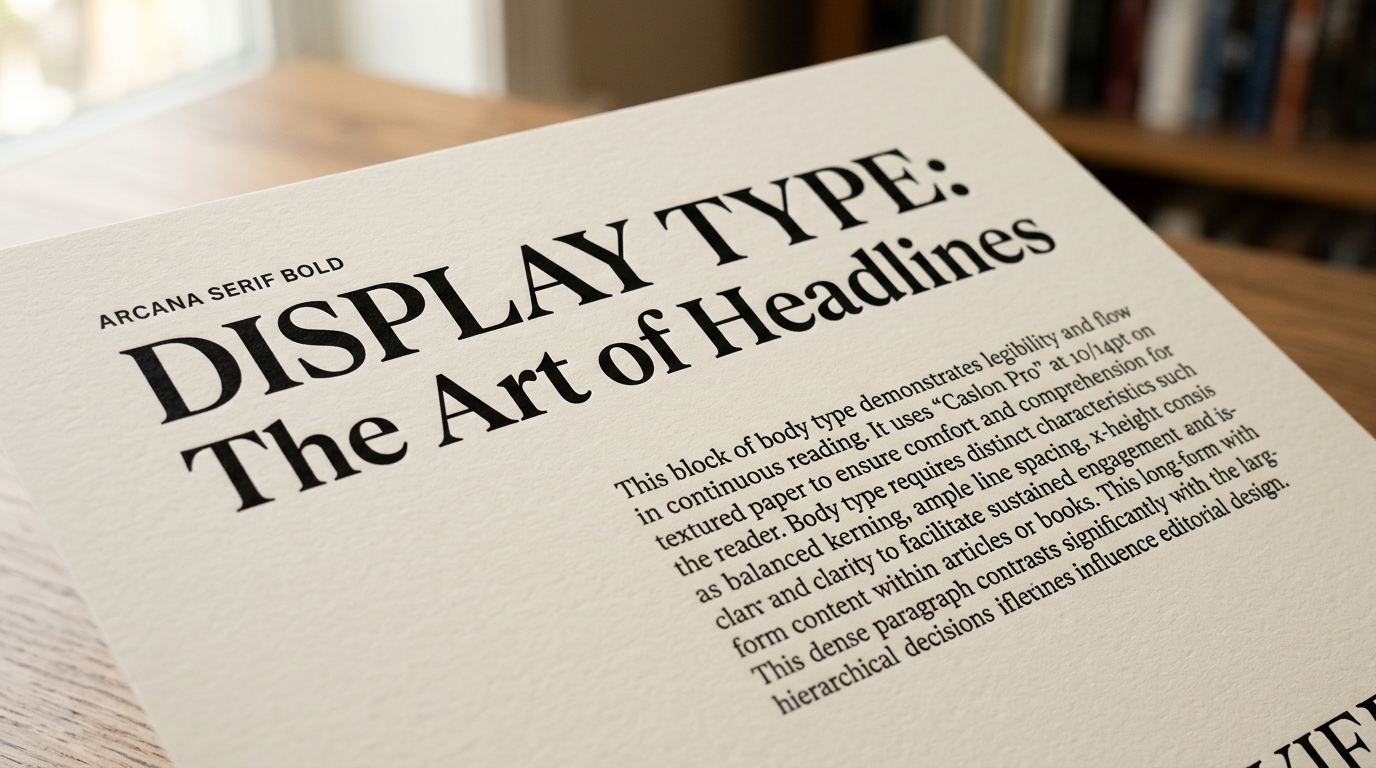
Editorial layout is about arranging text, images, and space on a page so every element works together as a system. This page covers five core concepts: grid systems, margins and spacing, visual hierarchy, content flow, and editorial page anatomy. It explains how each one works on its own and how they relate to each other. These principles apply across magazine, book, and single-page editorial formats. By the end, you’ll have a solid enough grasp of these concepts to make confident decisions in your own layout work.
The Five Principles and What Each One Does
Grid systems are the structural foundation of any layout. They divide the page into columns and rows that control where every element sits, and they need to be set up before you place any content. Margins and spacing work alongside the grid to define the live area of the page and control the breathing room between elements. These aren’t decorative choices — they determine whether a layout feels dense or open.
Visual hierarchy and content flow work at the compositional level, applied once the structural decisions are in place. Hierarchy uses scale, weight, contrast, and position to rank content by importance, controlling which elements a reader notices first. Flow governs the sequence in which column order, image placement, and entry points guide a reader’s eye through the page or spread. Hierarchy is about priority; flow is about navigation.
Editorial page anatomy sits apart from the other four because it’s primarily shared vocabulary rather than a design decision. It names the structural components: columns, gutters, margins, folios, headlines, and captions. These are the things that grid systems, margins, and hierarchy all operate on. Knowing this vocabulary is a prerequisite to working in any editorial format and to communicating clearly between designers and editors.
How Grid, Hierarchy, Spacing, and Flow Depend on Each Other
These principles don’t work in isolation. A grid without hierarchy gives you a structured page that still fails to communicate. The grid controls placement, but hierarchy determines which placements carry meaning. You need both for a layout to do its job.
Margins, spacing, and flow are similarly connected. Spacing decisions affect how naturally a reader moves from one element to the next, so you can’t design flow without also thinking about the spatial relationships that margins and gutters create.
There’s also a clear order to how these principles get applied. Grid systems and margins are structural decisions you make before placing content. Visual hierarchy and content flow are compositional decisions you work out during layout. Trying to establish hierarchy before the grid is set usually produces inconsistent results.
One more distinction worth keeping in mind: hierarchy and flow address different reader behaviors. Hierarchy controls what a reader notices first on a page; flow controls how they move through the full sequence. On a single editorial page, hierarchy does most of the work. On a magazine spread, flow becomes just as important because reading order has to carry across two facing pages.
How These Principles Shift by Format
The weight of each principle shifts depending on the format. In magazine layout, grid systems and content flow matter most. Multi-column spreads and reading order across facing pages define the design challenge, and margins and spacing tend to be tighter and more systematized than in single-page formats.
On a single editorial page, visual hierarchy becomes the dominant concern. Without spread-based flow to lean on, the designer has to establish reading order and anchor points within a single surface.
In broader publication design, such as books and multi-format projects, page anatomy and consistent grid application across many pages take priority. Hierarchy and flow decisions get made at a system level rather than page by page.
These same principles apply in web editorial contexts. The underlying problems are identical: structuring content placement, establishing reading order, ranking elements visually. The approach differs, with responsive columns replacing fixed print grids, but the principles behind those decisions stay the same.
Where These Principles Apply in Practice
These principles come into play whenever you’re building or evaluating a layout from scratch: designing a magazine page where grid and flow decisions have to come before content placement; structuring an editorial spread where reading order and hierarchy need to work across both facing pages as a unit; keeping visual coherence across a multi-page publication through consistent grid and hierarchy decisions; or adapting print editorial logic to a web context where responsive formats change the approach but not the underlying framework.
Applying Grid, Hierarchy, and Flow as a Working Framework
Grid comes first, always. Once margins and columns are set, hierarchy and flow become separate problems worth solving one at a time rather than all at once. That order matters because hierarchy ranks what readers see first, while flow determines how they move through everything after. If you’re ready to put these principles to work, exploring editorial layout templates is a natural next step.