Posters and flyers are two common print formats for local promotion, and each one works differently depending on how you plan to distribute it and what you want to achieve. This page covers how they differ in size, placement, and use, along with guidance on when to choose one over the other or use both together. By the end, you’ll have enough to decide which format fits your campaign and how to put it to work.
What Posters and Flyers Each Do
The two formats work differently by design, and understanding where each one gets placed is the starting point for any local print campaign.
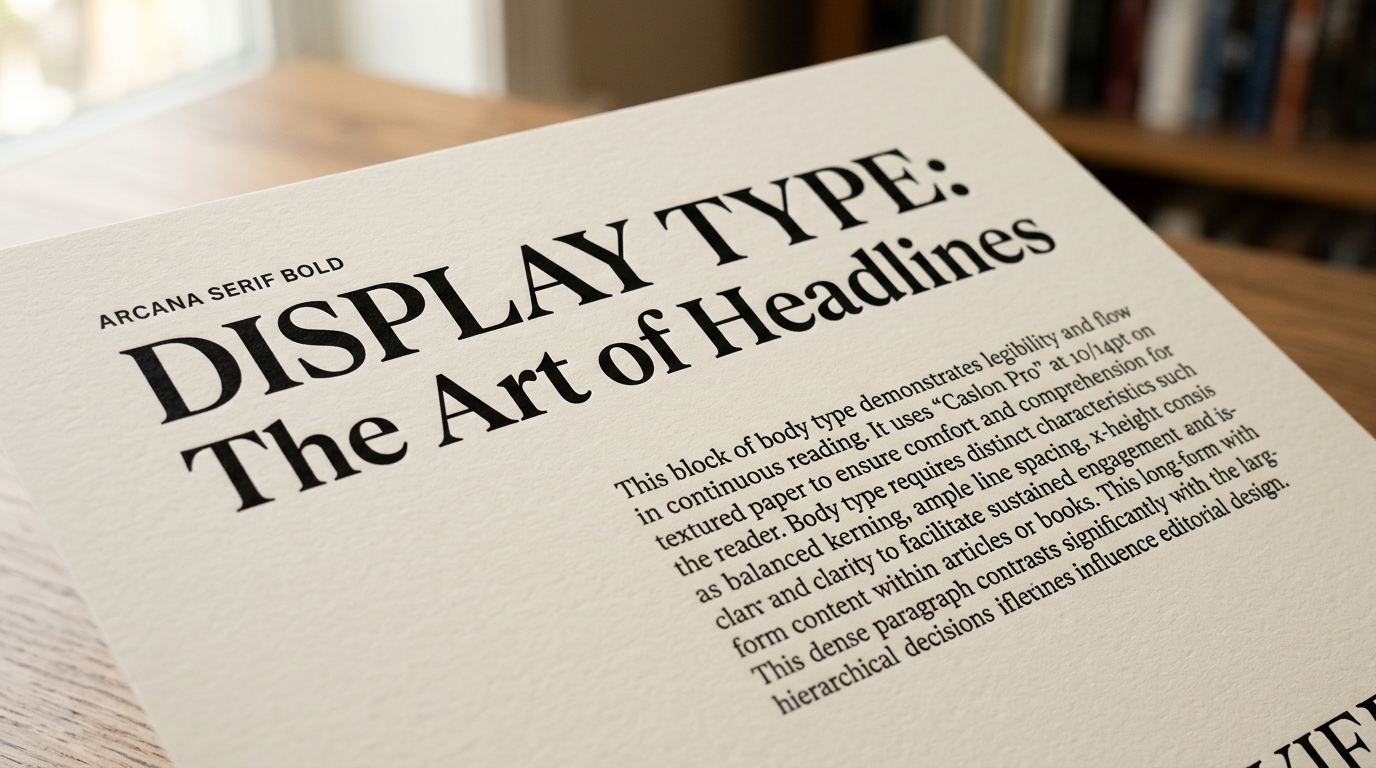
Posters are large-format sheets fixed in place for repeated exposure over time. A poster on a high street wall, transport stop, or community centre noticeboard reaches passersby consistently across days or weeks. A shop window poster faces outward toward pedestrians, which works well for businesses promoting their own services or for neighbouring venues with agreed display arrangements. A community noticeboard in a library, leisure centre, or community hall reaches a local audience that actively checks it for neighbourhood information. Inside a pub, café, or gym, a poster mounted near an entrance or queuing area targets people who are already there and standing still. Dwell time does the work.
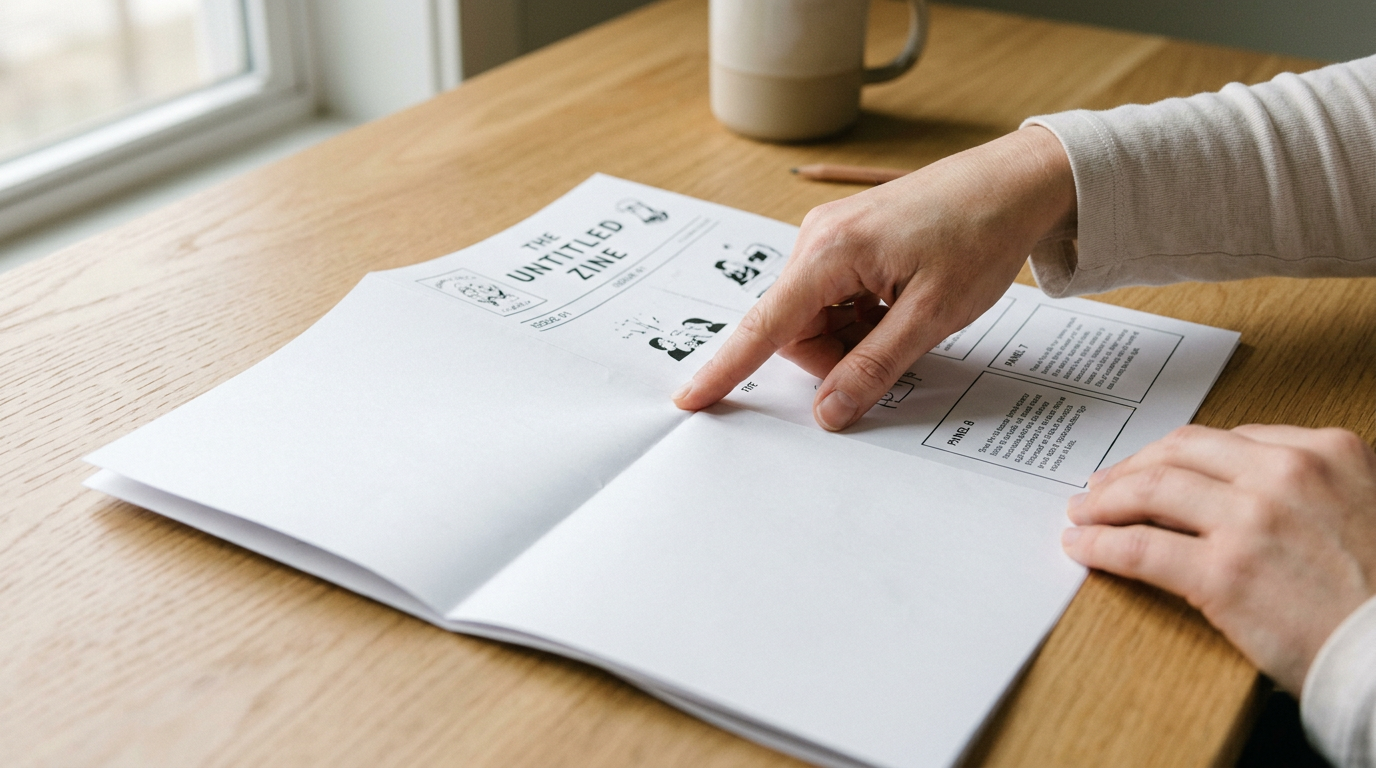
Flyers are small-format sheets built for distribution rather than fixed display. Left in a stack at a reception desk, shop counter, or café till, they get picked up voluntarily by customers who already have a reason to stop. Handed directly to pedestrians on the street, they suit time-sensitive promotions, such as sales, events, or new openings, where immediate awareness in a specific location matters. Inserted into bags, programmes, or welcome packs at local events or markets, they reach an audience already engaged with the surrounding context. Delivered through letterboxes in a targeted neighbourhood, they work for hyperlocal campaigns, such as tradespeople, local services, or neighbourhood events, where the geographic boundary is the main targeting factor. Left on chairs or tables in waiting rooms, doctors’ surgeries, or hair salons, they reach captive audiences with idle time who are more likely to read detailed information including dates, offers, and contact details.
Why Physical Print Reaches Local Audiences
Both formats share a core advantage: they meet audiences in the places where they already are, on a high street, in a waiting room, at a community event, without requiring them to opt in or be online at the right moment. Captive audience placement runs through both formats. Whether a poster is mounted near a queue or a flyer is left in a waiting room, the format works because the audience has nowhere else to be and time to absorb the message.
The two formats occupy different points in the same local awareness chain. Posters build repeated exposure over time; flyers deliver actionable detail at the moment of contact. Used together, they cover both functions without overlap.
Choosing Between Posters and Flyers: Information Density, Duration, and Audience Mobility
Three factors determine which format is right for a given campaign.
Information density is the first. Flyers carry specific detail, such as dates, prices, contact information, and offers, while posters rely on immediate visual impact with minimal copy. If the promotion requires the audience to act on specifics, a flyer is the right format.
Campaign duration is the second. Posters hold visibility over days or weeks through fixed placement; flyers are typically single-use or tied to a specific event or offer window. For an ongoing promotion, posters hold the position. For a time-sensitive push, flyers do the work.
Audience mobility is the third. Posters work on passersby who encounter them briefly in a fixed location; flyers reach people who are stationary, engaged, or directly handed the material. The more mobile the target audience, the more a flyer’s portability becomes an advantage.
When a campaign needs both broad awareness and follow-through detail, the two formats work as a paired system rather than competing choices. Posters establish presence; flyers turn attention into action.
Matching Format to Campaign Type
The right format follows directly from what the campaign is trying to do.
Poster marketing suits campaigns where sustained local visibility is the goal, such as an ongoing business promotion, a recurring event, or a new venue establishing presence in the area. The format trades information volume for placement permanence and immediate visual impact, relying on repeated exposure in fixed, high-traffic locations to build recognition over time.
A promotional flyer is the main tool when specific details, such as event dates, discount offers, or contact information, need to reach a defined local audience directly. Flyers work best where the audience is already stationary or engaged: counter placements, waiting areas, event pack-ins, or door-to-door drops within a targeted neighbourhood.
When a local promotion needs both broad awareness and detailed follow-through, posters and flyers work as a paired system. Posters placed in high-traffic public locations generate initial attention; flyers distributed at nearby venues or by hand deliver the specific information that moves that attention toward a response.
When to Use Posters, Flyers, or Both
The format decision maps cleanly onto campaign type. Promoting a local event calls for posters in public spaces for advance visibility and flyers to distribute event details to nearby or captive audiences. Building awareness for a new local business calls for posters in high-traffic fixed locations to establish presence over time. Distributing a time-sensitive offer calls for flyers handed out directly or left at counters where the target audience already stops. A neighbourhood-level campaign that needs both reach and detail calls for posters and flyers used together across the same local area.
Choosing the Right Format for Your Local Print Campaign
Posters build recognition over time from a fixed position; flyers put actionable detail directly into the right hands. The real decision isn’t which format is better. It’s which job needs doing, and whether both jobs need doing at once. If you’re ready to put that thinking into practice, exploring print options for your next local campaign is a natural next step.