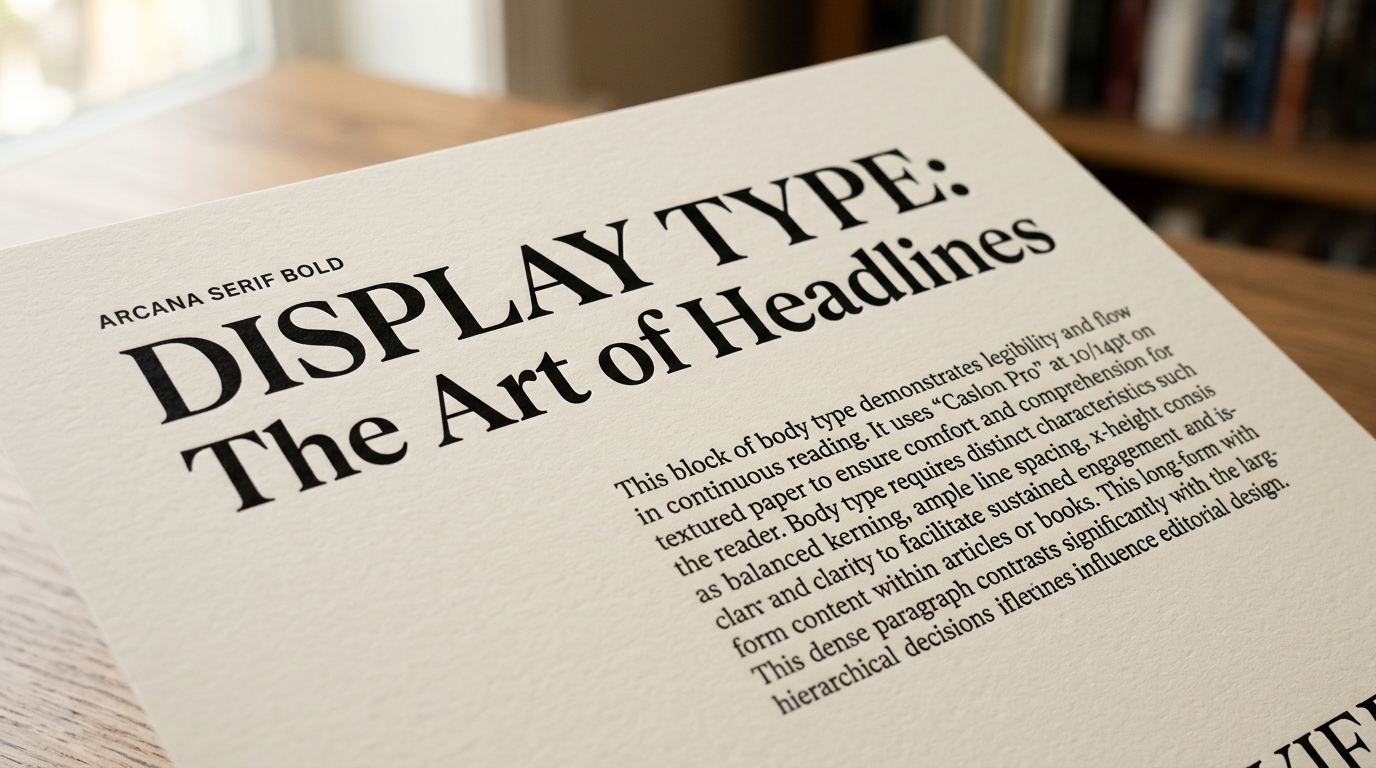
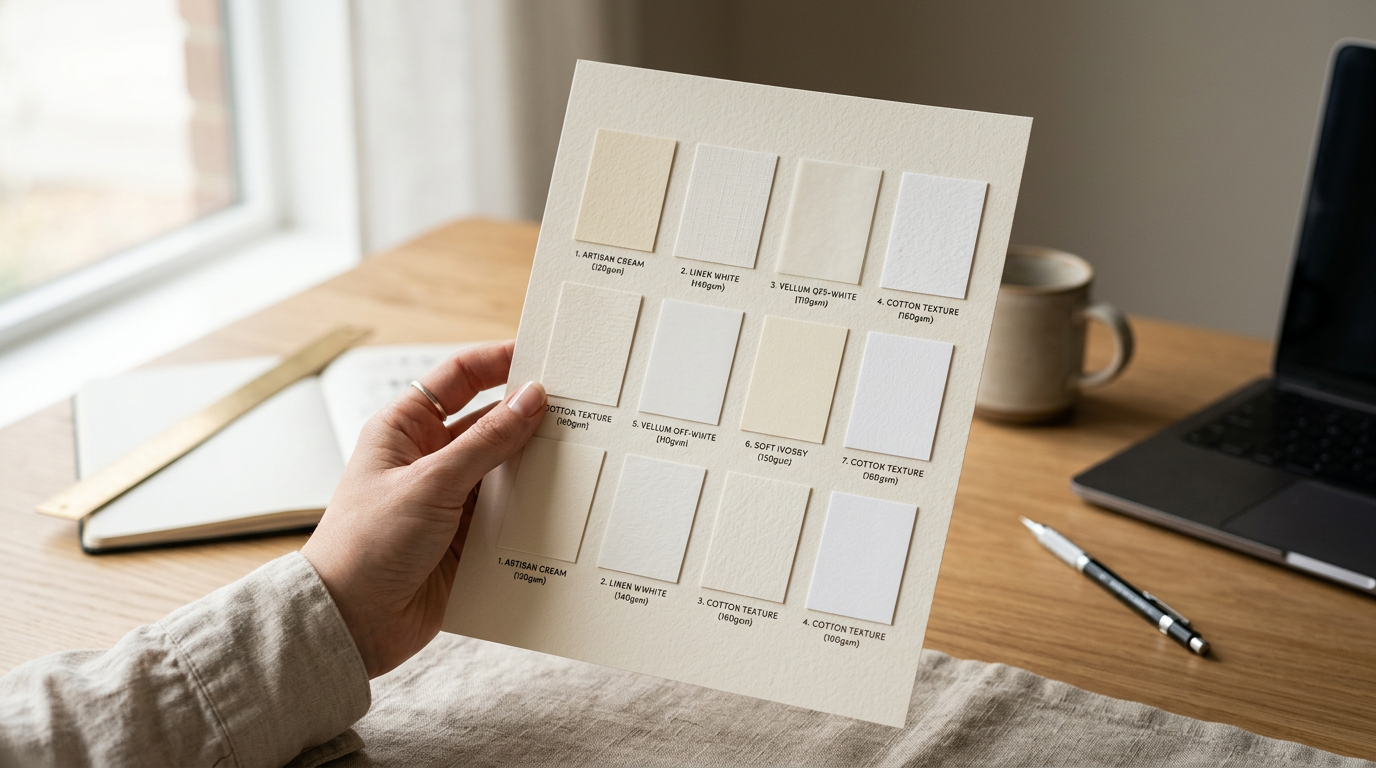
Coated vs uncoated paper is one of the most fundamental choices in print production. It affects how ink behaves, how colors look, and how the finished piece feels in your hands. This page breaks down the differences between the two surface types: how each is made, what it looks like, and where each one works best. By the end, you’ll have what you need to pick the right paper finish for your project.
Coated and Uncoated Finishes: What Each Type Offers
On coated paper, ink stays on the surface, which produces sharper detail and more vivid color. On uncoated paper, ink absorbs into the fibers, which softens detail and gives a more natural, tactile result. Both types break down into subcategories that control reflectivity and surface texture, and those subcategories matter just as much as the coated/uncoated distinction itself.
Coated paper comes in three finishes. Gloss, at 55%+ reflectivity, produces the most vivid color and sharpest images. It’s the standard choice for photography-heavy pieces, brochures, and product catalogs. Silk and dull, which fall in the 21%–54% reflectivity range, cut glare while keeping image clarity, making them a practical choice for annual reports, magazines, and pieces that mix images with body text. Matte, at below 20% reflectivity, produces minimal glare and works well for text-heavy materials read under direct light.
Uncoated paper offers more surface variety. Woven has a smooth, uniform surface from a tight wire weave and suits everyday business documents, letterhead, and general-purpose printing. Laid has a ribbed, lined texture from a parallel wire pattern and suits formal correspondence and stationery where surface texture signals quality. Parchment has a semi-translucent, aged appearance suited to certificates, diplomas, and formal documents where visual character is intentional. Felt has a soft, fabric-like texture applied through a felt roller during manufacturing and suits premium stationery and invitations where how the paper feels is a deliberate design choice.
How Ink Behavior, Glare, and Tactile Intent Drive the Finish Decision
The coated/uncoated distinction is not primarily an aesthetic choice. It determines whether ink sits on the surface or absorbs into it, which directly controls image sharpness and color accuracy. Choosing the wrong paper type for an image-heavy project produces noticeably worse output regardless of print quality. But knowing the paper type alone isn’t enough. The finish subcategory, whether gloss, silk, or matte on the coated side, or woven, laid, or parchment on the uncoated side, determines reflectivity and surface texture. Both of those affect how the final piece reads and feels.
Four factors determine which finish is right for a given project. First, image sharpness and color accuracy: coated finishes outperform uncoated when fine detail and accurate color reproduction matter, because ink containment stops dot gain and color spread that uncoated paper can’t avoid. Second, readability under direct light: gloss coated finishes create glare that makes sustained reading uncomfortable, while matte coated or uncoated finishes are the better choice for text-heavy pieces read under overhead or natural light. Third, tactile intent: when the physical feel of the paper is part of the design, such as in formal correspondence, premium invitations, or certificates, uncoated specialty finishes deliver surface texture that coated finishes can’t replicate. Fourth, reflectivity within coated options: gloss, silk/dull, and matte are not interchangeable. The gap between gloss (55%+) and matte (below 20%) is big enough to affect both image rendering and reader experience, so picking the right subcategory is a functional decision, not just a preference.
Matching Finish to Project Type
The right finish follows directly from what the project needs to do.
For image-heavy print projects, coated gloss is the standard finish when color and fine detail are the main priorities. When sharpness still matters but glare is a concern, such as in a magazine spread with mixed images and text, silk or dull coated finishes are a solid alternative without giving up image clarity.
For text-heavy or reading-focused print projects, uncoated woven and laid finishes work well when readability and a natural surface feel matter more than image reproduction. Matte coated is the right call when the project needs some image support but will be read under direct light.
For formal or tactile print pieces, uncoated parchment and felt finishes are appropriate when the surface texture of the paper is itself a design element, such as certificates, premium invitations, and formal stationery where the physical experience of handling the piece is part of its purpose.
Mapped to specific project types: product catalogs and photography brochures call for coated gloss; annual reports and mixed image/text magazines call for coated silk or dull; business letterhead and everyday correspondence call for uncoated woven; certificates, formal invitations, and premium stationery call for uncoated parchment or felt.
Output priority is the clearest guide here: coated finishes work best for image-driven projects, uncoated works best for tactile and readability-driven ones. Within those categories, reflectivity and surface texture aren’t finishing touches. They’re functional decisions that shape how a printed piece actually performs. If you’re ready to put that into practice, ordering a paper sample kit from a print supplier is the most useful next step you can take.